



Blog
How to Choose the Right Power Tools for Your Business (2026 Buyer’s Guide)

How to Choose the Right Power Tools for Your Business
Investing in the right power tools is one of the smartest decisions a business can make. Whether you run a construction company, woodworking shop, electrical service, plumbing business, landscaping operation, or automotive repair garage, the tools you use every day directly impact productivity, efficiency, safety, and profitability.
With hundreds of models and dozens of brands available, choosing the best power tools for your business can feel overwhelming. This guide explains the key factors to consider before making your next purchase, helping you build a reliable toolkit that delivers long-term value.
Why Choosing the Right Tools Matters
Professional-grade power tools are more than just equipment—they’re an investment in your business. The right tools can help you:
- Complete jobs faster
- Improve workmanship and precision
- Reduce worker fatigue
- Minimize downtime caused by tool failures
- Lower long-term replacement costs
- Increase customer satisfaction
- Improve workplace safety
Although premium tools often have a higher upfront cost, they typically provide better durability and lower lifetime ownership costs than cheaper alternatives.
Step 1: Identify Your Business Needs
Start by evaluating the type of work your business performs on a daily basis.
Construction Companies
Essential tools include:
- Hammer drills
- Impact drivers
- Circular saws
- Rotary hammers
- Reciprocating saws
- Angle grinders
- Laser levels
Electrical Contractors
Common tools include:
- Compact drills
- Impact drivers
- Cable cutters
- Fish tape systems
- Oscillating multi-tools
- Inspection cameras
Plumbing Businesses
Recommended tools include:
- Pipe cutters
- Press tools
- Drain cleaning machines
- Impact wrenches
- Hole saws
Woodworking Shops
Popular choices include:
- Table saws
- Track saws
- Routers
- Random orbital sanders
- Jigsaws
- Finish nailers
Automotive Repair Shops
Must-have equipment includes:
- Impact wrenches
- Ratchets
- Torque wrenches
- Grinders
- Polishers
- Diagnostic equipment
Selecting tools that match your trade helps avoid overspending on features you may never use.
Step 2: Choose Cordless or Corded
Modern cordless tools have become the preferred choice for many professionals because they offer greater mobility and convenience.
Cordless Tools
Advantages
- Maximum portability
- Faster setup
- Improved jobsite safety with fewer cords
- Expanding battery ecosystems
- Suitable for indoor and outdoor work
Best For
- Contractors
- Electricians
- Plumbers
- Maintenance teams
- Mobile service businesses
Corded Tools
Advantages
- Continuous power
- No battery charging
- Often lower purchase price
- Well-suited for extended heavy-duty use
Best For
- Workshops
- Manufacturing facilities
- Woodworking shops
- High-demand cutting or grinding applications
Many businesses benefit from a combination of both cordless and corded tools.
Step 3: Invest in One Battery Platform
If you plan to purchase cordless tools, sticking to a single battery platform can reduce costs and simplify operations.
Benefits include:
- Fewer chargers
- Shared batteries across multiple tools
- Lower replacement costs
- Easier inventory management
- Reduced downtime
Popular cordless systems include:
- DEWALT 20V MAX® and FLEXVOLT®
- Milwaukee M12™ and M18™
- Makita LXT® and XGT®
Building your collection around one platform allows you to expand efficiently over time.
Step 4: Prioritize Durability
Power tools used in professional environments face daily wear from dust, vibration, impacts, and changing weather conditions.
When comparing models, look for features such as:
- Brushless motors
- Metal gear housings
- Reinforced casings
- Dust and moisture protection
- Overload protection
- Electronic speed controls
Higher-quality construction often translates into fewer repairs and longer service life.
Step 5: Consider Ergonomics
Your team may use power tools for several hours each day. Comfortable, well-balanced tools can improve productivity and reduce fatigue.
Look for:
- Lightweight designs
- Rubberized grips
- Low vibration
- Compact form factors
- Adjustable handles
- Balanced weight distribution
Comfort is especially important for overhead work and repetitive tasks.
Step 6: Compare Tool Performance
Not every project requires the most powerful tool available.
Evaluate specifications such as:
- Torque
- Motor power
- Cutting speed
- Battery runtime
- Charge time
- Weight
- Maximum RPM
Choose equipment that meets the demands of your typical workload rather than paying for unnecessary performance.
Step 7: Review Warranty and Service
A strong warranty can reduce repair costs and minimize downtime.
Consider:
- Warranty length
- Availability of authorized service centers
- Replacement part availability
- Customer support reputation
- Repair turnaround time
Reliable after-sales support is especially valuable for businesses that depend on their tools every day.
Step 8: Think About Long-Term Costs
The purchase price is only one part of the overall investment.
Factor in:
- Replacement batteries
- Chargers
- Accessories
- Maintenance
- Repairs
- Downtime
- Expected lifespan
A premium tool that lasts for years may provide a lower total cost of ownership than a cheaper model that needs frequent replacement.
Step 9: Choose a Trusted Brand
Selecting a reputable manufacturer can improve reliability and ensure access to compatible tools and accessories.
DEWALT
Known for durable construction, dependable performance, and a wide selection of tools for contractors and general construction.
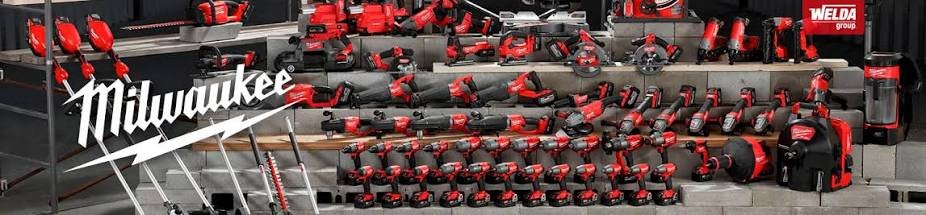
Milwaukee
Popular among electricians, plumbers, mechanics, and industrial professionals for advanced cordless technology and specialized solutions.
Makita
Recognized for lightweight, ergonomic designs that excel in woodworking, remodeling, and finish carpentry.
The best choice depends on your trade, workload, and preferred battery platform.
Common Mistakes to Avoid
Avoid these frequent purchasing mistakes:
- Buying tools based only on price
- Mixing multiple battery systems unnecessarily
- Choosing consumer-grade tools for commercial work
- Ignoring warranty coverage
- Purchasing more power than your applications require
- Overlooking ergonomics and user comfort
Making informed decisions helps maximize your return on investment.
Essential Power Tools for Most Businesses
A well-rounded toolkit often includes:
- Cordless drill/driver
- Impact driver
- Circular saw
- Angle grinder
- Reciprocating saw
- Oscillating multi-tool
- Rotary hammer (if needed)
- Random orbital sander
- Work lights
- Battery charger
- Spare batteries
- Tool storage system
This combination covers a wide range of professional applications.
Frequently Asked Questions
Are expensive power tools worth it?
For businesses that rely on tools daily, professional-grade models often deliver better durability, performance, and lower lifetime ownership costs than budget alternatives.
Should I choose cordless or corded tools?
Cordless tools are ideal for mobility and flexibility, while corded tools are better suited to fixed workstations and tasks that require continuous power. Many businesses benefit from using both.
How long do professional power tools last?
With proper maintenance and regular servicing, quality professional tools can remain reliable for many years. Actual lifespan depends on usage, storage, and maintenance practices.
Which power tool brand is best?
There is no single best brand for every business. DEWALT, Milwaukee, and Makita all offer high-quality professional tools, and the right choice depends on your trade, budget, and preferred battery platform.
Final Thoughts
Choosing the right power tools is about more than buying the latest model. Consider the type of work you perform, the environments your tools will face, your preferred battery system, and the long-term cost of ownership.
By investing in durable, professional-grade equipment and building a consistent cordless ecosystem, you can improve productivity, reduce downtime, and support your business’s growth for years to come.
Shop Professional Power Tools at EliteToolPallets.com
At EliteToolPallets.com, you’ll find a wide selection of professional-grade power tools, accessories, batteries, and storage solutions from trusted brands. Whether you’re equipping a new business or expanding an existing toolkit, our collection is designed to help professionals work more efficiently, safely, and confidently.